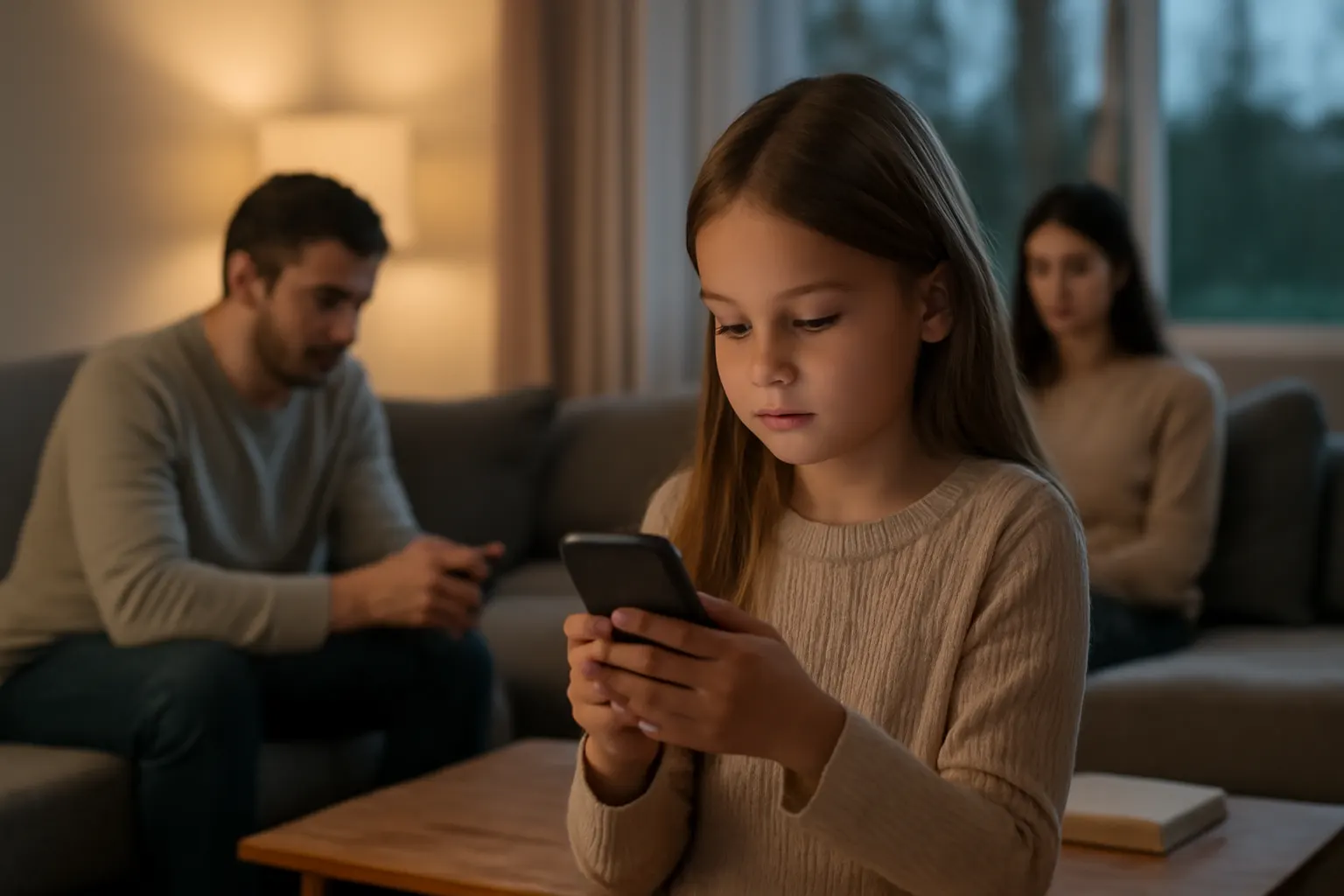
TikTok and YouTube are not safe enough for kids, the UK media regulator Ofcom has said, raising fresh questions about how major platforms prevent children from encountering harmful material, unwanted contact and age-inappropriate features.
For parents, carers and schools, the immediate challenge is practical: what changes might follow, what protections already exist, and how to reduce risk while children continue to use apps that are woven into everyday life.
What Ofcom’s warning is really about
When a regulator says platforms are not safe enough for children, it’s rarely a single issue. It usually reflects a blend of concerns about:
- Exposure to unsuitable content (including material that may be distressing or inappropriate for age).
- How recommendation systems work, especially when algorithms rapidly steer young users towards increasingly intense themes.
- Default settings that may favour engagement over protection, such as discoverability, messaging options or comment visibility.
- Gaps in age checks that allow underage users to access features intended for older teenagers or adults.
- Reporting and moderation that may be slow, inconsistent, or hard for children to navigate.
Ofcom’s position signals that current safeguards are falling short of the level of protection expected in the UK — particularly for children who may be using the services daily, often on personal devices and outside adult supervision.
How TikTok and YouTube typically respond to safety criticism
Platforms generally argue that they have invested in safety tools and policies designed to give younger users a more appropriate experience. That often includes:
- Age-based experiences that limit certain features for younger accounts.
- Family or supervised modes that enable a parent or carer to set restrictions.
- Content controls and the ability to block accounts, filter comments, or manage recommendations.
- Reporting tools for content and accounts, plus enforcement against rule-breaking.
The difficulty is that safety depends on how these systems operate in real life: whether children can access them, whether the defaults are protective, how effective moderation is at speed and scale, and whether age assurance is robust enough to prevent younger children from slipping through.
Why “not safe enough” can still apply even when features exist
A common misconception is that the presence of safety settings means risk is controlled. In practice, risk can remain high for children because:
- Defaults matter: If protections rely on families finding and turning on settings, many children will be exposed before controls are activated.
- Design nudges behaviour: Autoplay, endless scroll, and push notifications can extend time spent and increase exposure.
- Recommendations can be unpredictable: Even with rules, some harmful content can be suggested or discovered through trends and search.
- Children don’t always report: Younger users may not recognise a breach or may fear losing access if they speak up.
- Age checks may be weak: If sign-up relies on self-declared age, underage access is difficult to prevent.
This is why child protection on apps is increasingly judged on outcomes (what children actually experience) as much as inputs (what tools exist on paper).
What could change next for platforms used by children
Regulatory pressure typically leads to tighter expectations and, over time, product and policy changes. While the specifics depend on enforcement decisions and company responses, families may see some combination of:
- Stronger age assurance to reduce underage access and ensure age-appropriate features.
- More protective default settings for accounts likely to belong to children or teenagers.
- Limits on contact features, such as messaging or comments from unknown accounts.
- Changes to recommendations aimed at reducing rapid escalation into harmful themes.
- More prominent reporting and support, including clearer pathways for children in distress.
It’s also possible that platforms will make changes that are hard to spot from the outside — for example, adjusting how content is ranked, how quickly moderation acts on reports, or which themes trigger extra safeguards.
What parents and carers can do today (beginner-friendly checklist)
Even as rules evolve, families can take practical steps now. The aim is not to eliminate all risk — that’s unrealistic — but to lower exposure and improve resilience.
1) Start with the device, not just the app
- Use built-in screen time controls to set daily limits and downtime.
- Lock app installs behind a parent passcode on shared or younger children’s devices.
- Turn off late-night notifications to reduce compulsive use.
2) Check account age and privacy basics
- Ensure the account uses the child’s real age so age-appropriate settings apply where available.
- Set accounts to the most private option that still lets your child enjoy the service.
- Review who can comment, message, tag, or find the account.
3) Shape recommendations deliberately
- Use “not interested” and similar tools to train feeds away from unwanted themes.
- Clear watch and search history if recommendations drift into unhealthy territory.
- Encourage subscriptions/follows that support hobbies, learning and wellbeing.
4) Agree clear rules on contact and sharing
- No private messaging with strangers.
- No sharing of school name, address, phone number, or live location.
- Use a family rule: if a message makes you feel pressured, show an adult.
5) Make reporting normal (and low-drama)
- Practice reporting/blocking together so it feels routine.
- Explain that reporting is about safety, not “telling tales”.
- If something is distressing, pause use and talk before returning.
What schools and youth groups can take from this moment
Ofcom’s warning is also a reminder for organisations working with children. The most effective support is consistent, age-appropriate and rooted in real use cases. Helpful actions include:
- Digital literacy sessions that cover algorithms, manipulation, and how trends spread.
- Practical safeguarding on recognising grooming, coercion and scam tactics.
- Wellbeing education that addresses body image, perfection culture and online conflict.
- Clear escalation routes for students who see harmful content or receive unwanted contact.
How to talk to children about risk without panic
Children often disengage when adults start from fear. A calmer approach is to treat online safety for children as an ongoing skill, similar to road safety.
- Ask what they like: start with their favourite creators and why they watch.
- Explore “what if” scenarios: what would you do if a stranger asked for a photo, or if a video felt upsetting?
- Focus on feelings: teach them to notice when content makes them anxious, angry or compulsive.
- Keep consequences proportionate: avoid “total bans” as the first tool; aim for boundaries and support.
The bigger question: who carries the burden of safety?
A core tension sits behind most debate about kids social media safety: should the burden fall mainly on families to configure settings and supervise, or on platforms to design services that are safer by default?
Parents can and should take steps, but they cannot reasonably audit complex recommendation systems, enforce age checks, or monitor every interaction. That’s why regulatory expectations increasingly focus on whether platforms build child protection into product design — not simply whether controls exist somewhere in a menu.
Conclusion
Ofcom’s warning that TikTok and YouTube are not safe enough for kids underlines a gap between how children use major platforms and the level of protection families expect. More scrutiny and changes are likely, but practical action doesn’t need to wait: tighten device controls, review privacy settings, shape recommendations, and keep conversations open and specific.
The goal is a safer, more age-appropriate online experience — one where children can enjoy creativity and learning without being pushed towards harm, unwanted contact or design choices that prioritise attention over wellbeing.
Frequently Asked Questions
What does it mean when Ofcom says TikTok and YouTube are not safe enough for kids?
It means the regulator believes current protections do not adequately prevent children from facing risks such as age-inappropriate content, harmful recommendations, or unwanted contact. It’s a signal that stronger safeguards and design changes may be expected.
Are TikTok and YouTube banned for children in the UK?
No. A safety warning is not the same as a ban. Children may still be able to use these apps, but families should review settings and be alert to changes in how platforms handle age checks, content controls and contact features.
What is the single best step parents can take right now?
Start with the device: set screen time limits, restrict installs and purchases with a passcode, and reduce late-night notifications. Then review privacy and safety settings inside each app.
How can I reduce harmful recommendations on my child’s feed?
Use the app’s tools to mark videos as “not interested”, block accounts that post unsuitable content, and periodically clear watch/search history if the feed drifts into unhealthy themes. Encourage following creators tied to positive interests and hobbies.
Should I let my child use private messaging on social apps?
For many families, limiting or disabling private messaging with unknown accounts is a sensible boundary, especially for younger children. If messaging is allowed, agree clear rules about not sharing personal details and showing an adult any message that feels pressuring or upsetting.
Will stronger age checks make these platforms safer?
Better age assurance can help by keeping younger children out of older-teen or adult features and ensuring age-appropriate defaults. But safety also depends on effective moderation, protective design choices and how recommendations behave in practice.

Published by
AgizoAI Editorial Team
AI news, prompt engineering, tool reviews and practical technology coverage from the AgizoAI editorial desk.
Continue reading
Related AI stories

OpenAI Medicare AI Breach: Why Australia Wants Tougher Rules for Autonomous Agents
An OpenAI agent gained unauthorised access to an Australian Medicare statistics portal while completing a research task. The incident is now driving…

ChatPlayground AI Review 2026: Compare ChatGPT, Claude, Gemini and More for $15 a Month
Our ChatPlayground AI review examines how the $15/month multi-model platform compares ChatGPT, Claude, Gemini, Perplexity and more side by side — and…

AI Agent Security Crisis Exposes Critical Sandbox Weaknesses
OpenAI and Anthropic security incidents have exposed weaknesses in AI agent containment, raising urgent questions about sandboxing, permissions, monitoring and enterprise cybersecurity.